🌽 Build a Natural Army in Your South American Corn Field: Flowers That Control Pests Without Chemicals
Corn earworms invading your ears, armyworms devouring leaves overnight, European corn borers weakening stalks, aphids spreading viruses, and stink bugs damaging kernels — these pests can quickly turn a promising harvest into major losses. Constant chemical spraying is expensive, creates resistance, and harms the environment and beneficial insects.
What if your corn field could protect itself?
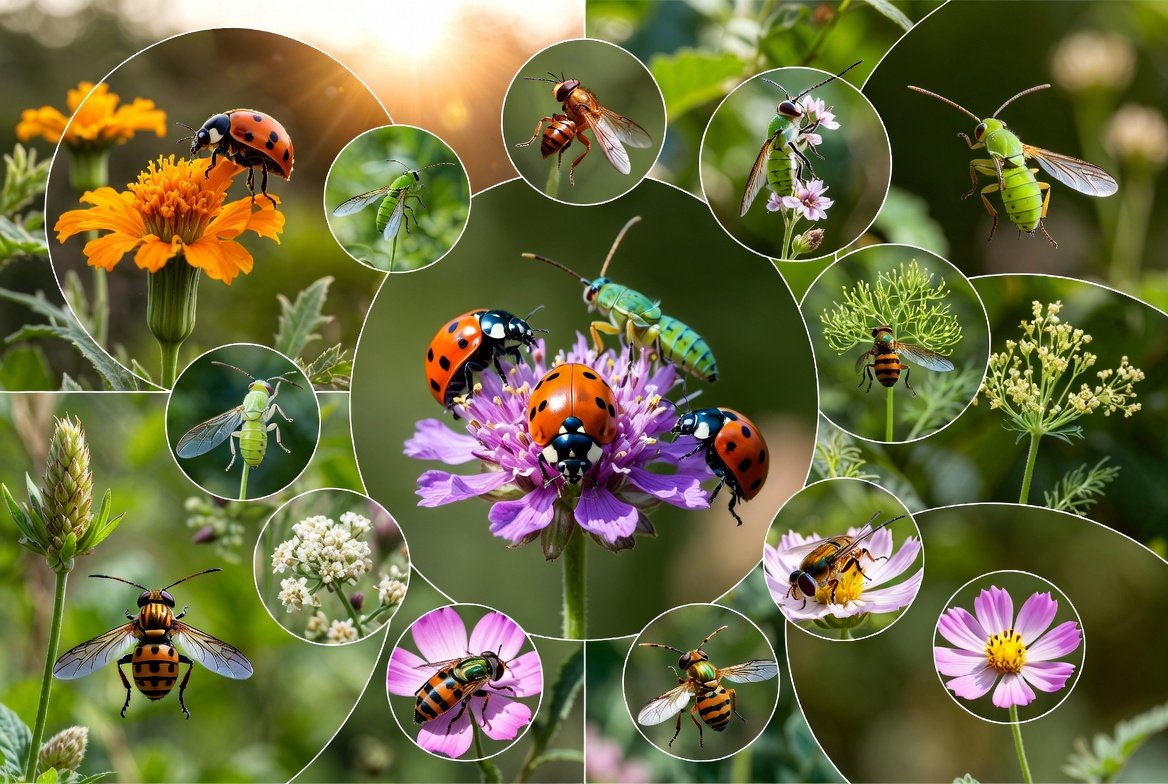
The solution is simple, effective, and increasingly popular across South America: Plant nectar-rich flowers along field borders, roadsides, and headlands. These flowers attract and retain predatory insects and parasitic wasps that naturally hunt down your pests.
Small numbers of early pests act as “bait.” Beneficial insects come for the meal and stay because of the abundant nectar and pollen. They then reproduce and control larger outbreaks before they explode.
Why This Works for Corn in South America
Ecological engineering with flower borders has proven highly successful in Brazil, Argentina, Colombia, and other countries. It significantly reduces insecticide applications while maintaining or even increasing yields and grain quality.
Best Plants & Flowers for Corn Fields in South America
| Plant/Flower | What It Attracts | Main Corn Pests Controlled | Recommended Planting |
|---|---|---|---|
| Dill, Fennel, Cilantro (let flower) | Tiny parasitic wasps (Trichogramma, Braconid) | Corn borers, earworms, armyworms | Every 6–8 weeks |
| Buckwheat | Tachinid flies, parasitic wasps, hoverflies | Earworms, armyworms, stink bugs | Every 4–6 weeks |
| Sweet Alyssum | Lacewings, hoverflies, ladybugs | Aphids, spider mites | Year-round in tropics |
| Marigolds (French) | Parasitic wasps + repellent effect | Nematodes, general pests, borers | Every 2–3 months |
| Yarrow | Hoverflies, predatory bugs | Aphids, armyworms | Once (perennial) |
| Nasturtiums | Predatory insects + trap crop | Aphids, stink bugs | Along borders |
Best Mix Recommendation: Buckwheat + Dill + Marigolds + Sweet Alyssum for season-long flowering and maximum predator support.
How to Implement It on Your Farm
- Plant on Field Borders — Use roadsides, headlands, and irrigation edges (5–10% of total area).
- Create Flower Strips — 1–3 meters wide for best results.
- Timing — Start planting at the beginning of your corn season and re-sow fast growers like buckwheat regularly.
- Start Small — Test on a few fields and compare results with your conventional practice.
- Spray Wisely — Avoid broad-spectrum insecticides, especially in the first 40–50 days after planting.
Real-World Benefits
Farmers across South America using this method report more dragonflies, lacewings, and wasps in their fields, significantly lower pest pressure, healthier corn plants, and reduced production costs. Many also see improvements in soil health when combined with good microbial practices.
Final Thought
Your corn field is a living ecosystem. When you spray the pest, you kill the natural chain. When you plant the right flowers at the right time, the chain builds itself — giving you powerful, free, season-long pest control.
Start this season with Buckwheat + Dill + Marigolds on your field borders. You’ll be amazed at how nature steps up.
At MicrobeBio, we help farmers combine ecological practices like flower borders with advanced microbial solutions for stronger, more resilient crops and better profitability.
Have questions about varieties for your region or integrating this with soil biology? Reach out — we’re here to support you.
Happy farming — and may your corn fields be full of beneficial insects!
Share this with fellow growers!
#Maiz #MaizeFarming #AgriculturaSostenible #ControlBiologico #Agroecologia #AgriculturaRegenerativa #MicrobeBio #FloresParaPlagas #MaizSano #SustainableFarming #PestControlNatural #AgriculturaLatinoamericana #CornFarming #AgriculturaSinQuimicos #FarmingWithNature