The 500-Year Recipe for Topsoil: Nature’s Slow, Living Masterpiece
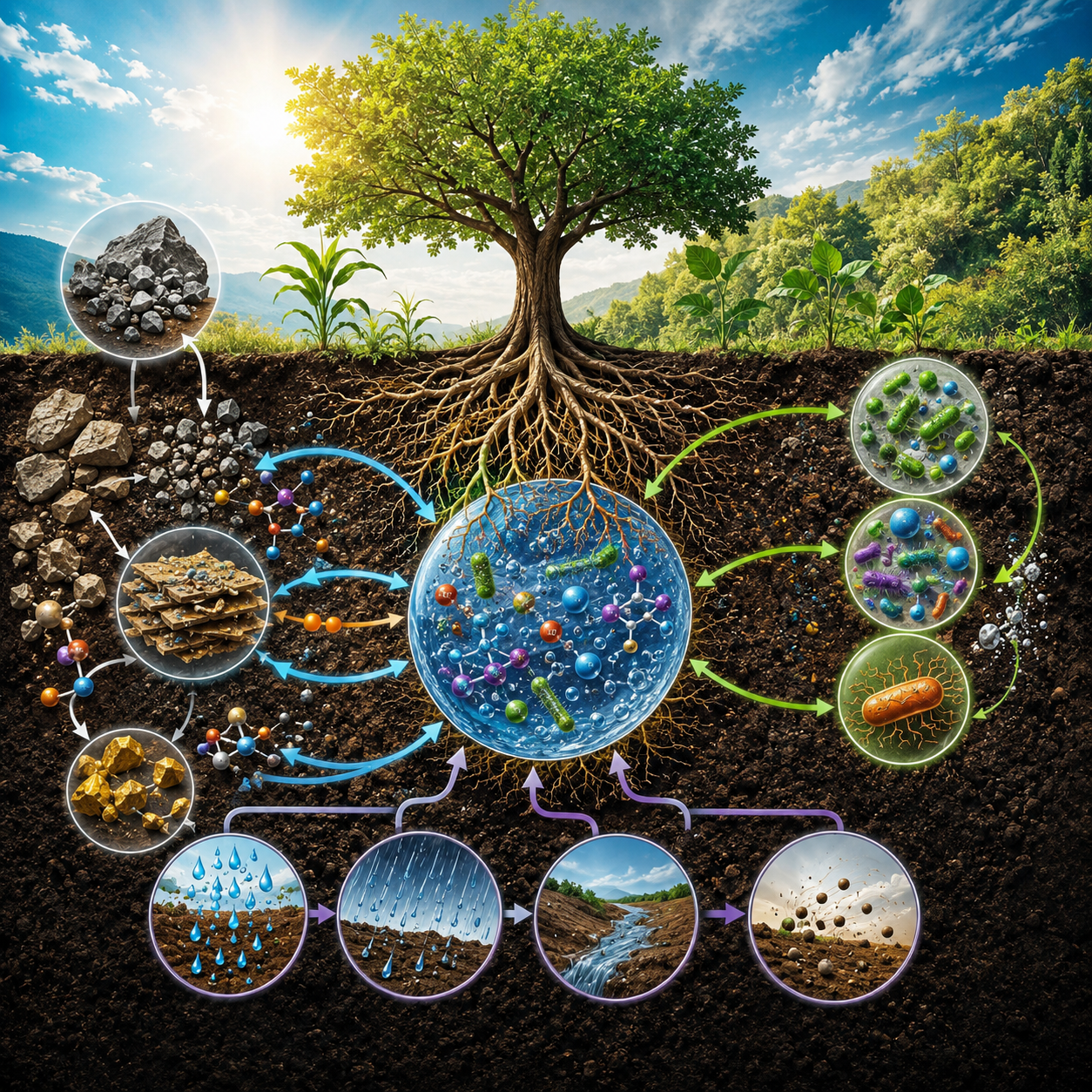
The dirt under your feet is not merely ground-up rock. It is the result of centuries — often 500 to 1,000 years — of patient, layered work by physical weathering, chemical reactions, and an astonishing biological workforce of fungi, worms, plant roots, and vast colonies of microbes. Layer by thin layer, bare bedrock is transformed into the living, fertile topsoil that sustains all terrestrial life.
This is nature’s slow recipe:
- Parent material (bedrock) is cracked by freeze-thaw cycles, wind, and water.
- Chemical weathering dissolves minerals, releasing nutrients.
- Biological agents supercharge the process: Plant roots and mycorrhizal fungi exude organic acids and chelators that pry nutrients from rock. Bacteria and fungi secrete enzymes that break down minerals and organic matter. Worms and other soil fauna mix and aerate. Microbes — especially bacteria and fungi — decompose plant residues and their own dead bodies, creating stable humus (much of the most persistent soil carbon actually comes from microbial necromass). They produce sticky polysaccharides and glomalin that glue mineral particles into stable aggregates, building structure, porosity, and water-holding capacity.
Over deep time, these processes stack organic-rich horizons on top of mineral layers, creating the dark, crumbly topsoil farmers depend on. In optimal temperate conditions with high biological activity, it still takes roughly 500 years per inch of topsoil. In colder or drier climates, it can take 1,000 years or more.
Yet modern agriculture and land use often destroy this precious resource 10 to 40 times faster than nature can rebuild it through erosion, tillage that disrupts fungal networks, chemical inputs that suppress microbial life, and loss of organic matter. The most ordinary thing we stand on is one of the hardest natural resources to replace.
Microbes are the accelerators. When beneficial microbial communities thrive, they dramatically compress the timeline — turning centuries of slow soil building into seasons of rapid regeneration.
How MicrobeBio Supercharges Nature’s Soil-Building Process
Accelerating Nature’s 500-Year Soil Recipe: How MicrobeBio’s Microbial Consortia Build Living Topsoil and Deliver Higher, More Resilient Crop Yields
The soil beneath our feet took nature 500 to 1,000 years to create just one inch of fertile topsoil. Today, that same soil is disappearing far faster than it can be replaced. Erosion, intensive tillage, synthetic chemicals, and declining organic matter are stripping away the biological engine that makes soil productive.
But what if we could harness and amplify the very same biological forces that built soil over millennia — and compress that timeline into a single growing season or two?
That is exactly what MicrobeBio microbial technology does.
The Natural Process (and Why It’s So Slow)
Soil formation (pedogenesis) relies on five factors: parent material, climate, topography, time, and organisms. The biological component — microbes, fungi, worms, and plants — is the real accelerator in nature.
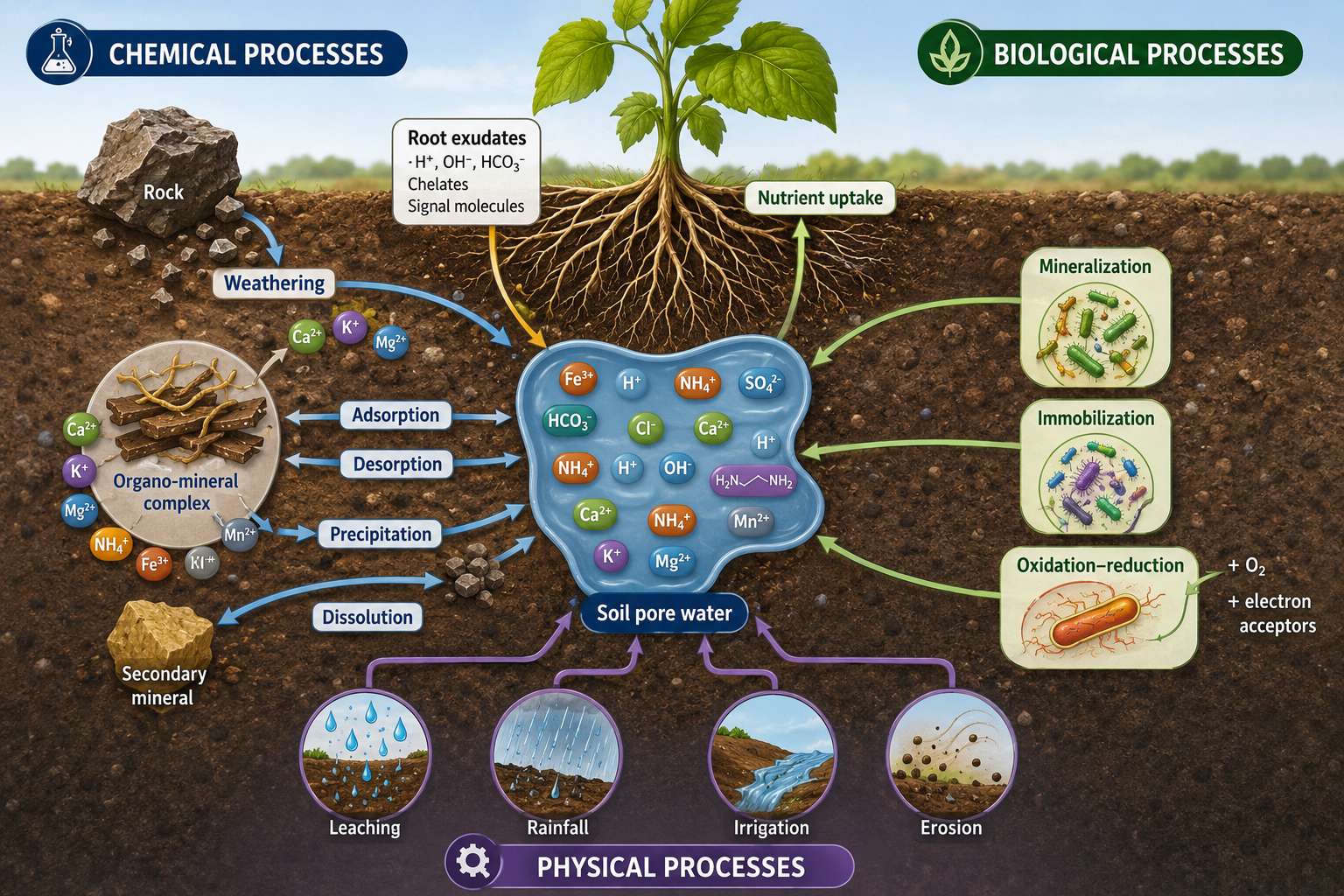
Microbes weather rock by secreting organic acids and enzymes. They decompose residues into stable humus. They fix nitrogen, solubilize phosphorus, and cycle nutrients. Mycorrhizal fungi extend plant roots and build soil aggregates with glomalin. Bacteria produce sticky compounds that bind particles into water-stable crumbs. Together they turn barren mineral material into living, breathing, nutrient-rich soil.
This elegant, self-reinforcing system works — but it works slowly because natural microbial populations take time to establish, especially in degraded or low-biology soils.
MicrobeBio: Targeted Microbial Consortia That Speed Up the Recipe
MicrobeBio has spent years collecting and refining beneficial microbes from extreme environments around the world — from high cold mountains to deep hot jungles. Their products deliver powerful, synergistic consortia (often 35+ strains) of bacteria, fungi (including mycorrhizae and Trichoderma), and other beneficial organisms, frequently combined with humic substances and organic carbon sources.
Flagship products like Nature Vigor™ and Rhizo Activator™ (along with Soil Activator and related lines) are designed to:
- Jump-start and energize the native soil microbiome while introducing high-performance new strains.
- Accelerate mineral weathering and nutrient release from both parent material and existing soil reserves.
- Rapidly build stable soil organic matter and humus through enhanced decomposition and microbial biomass contributions.
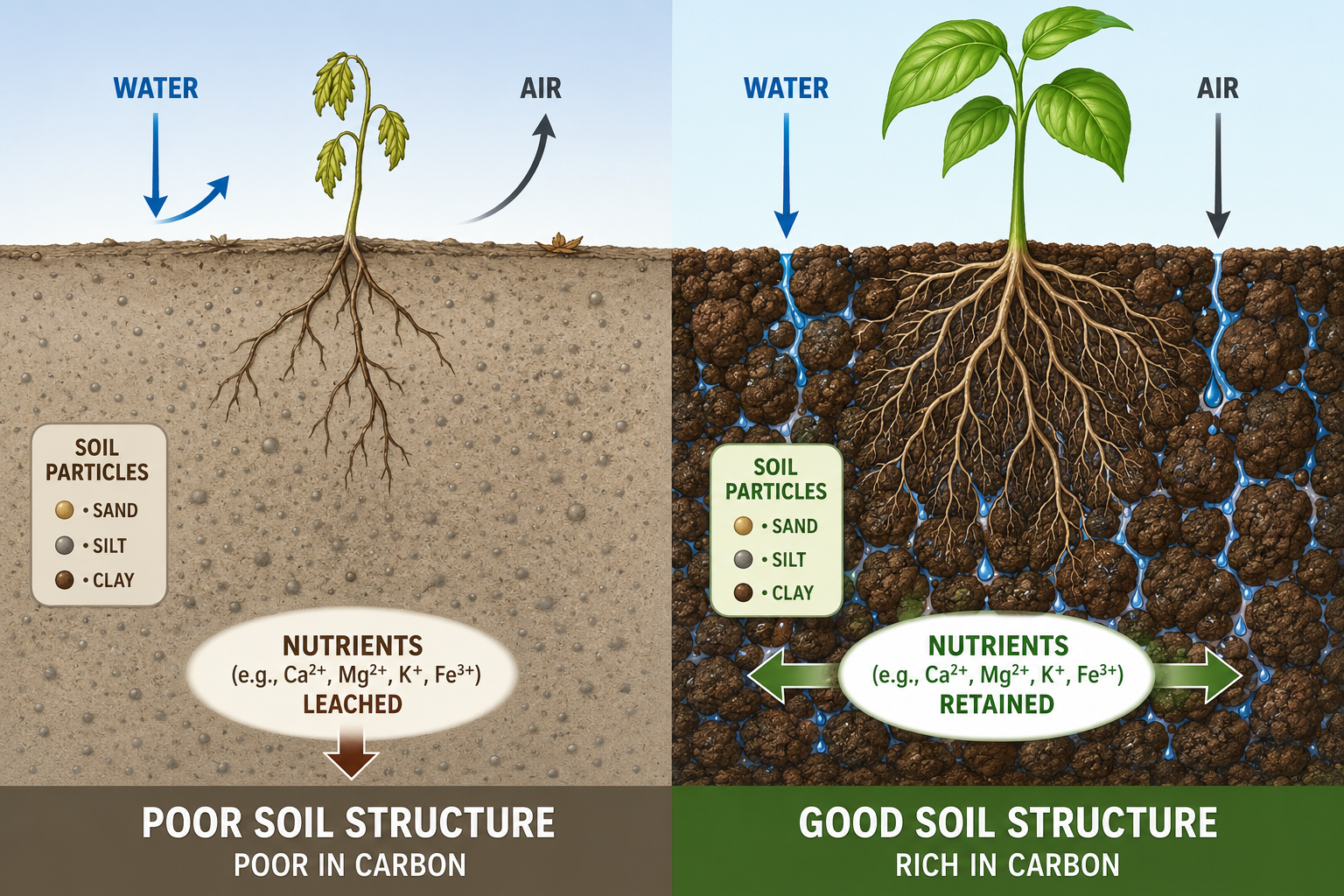
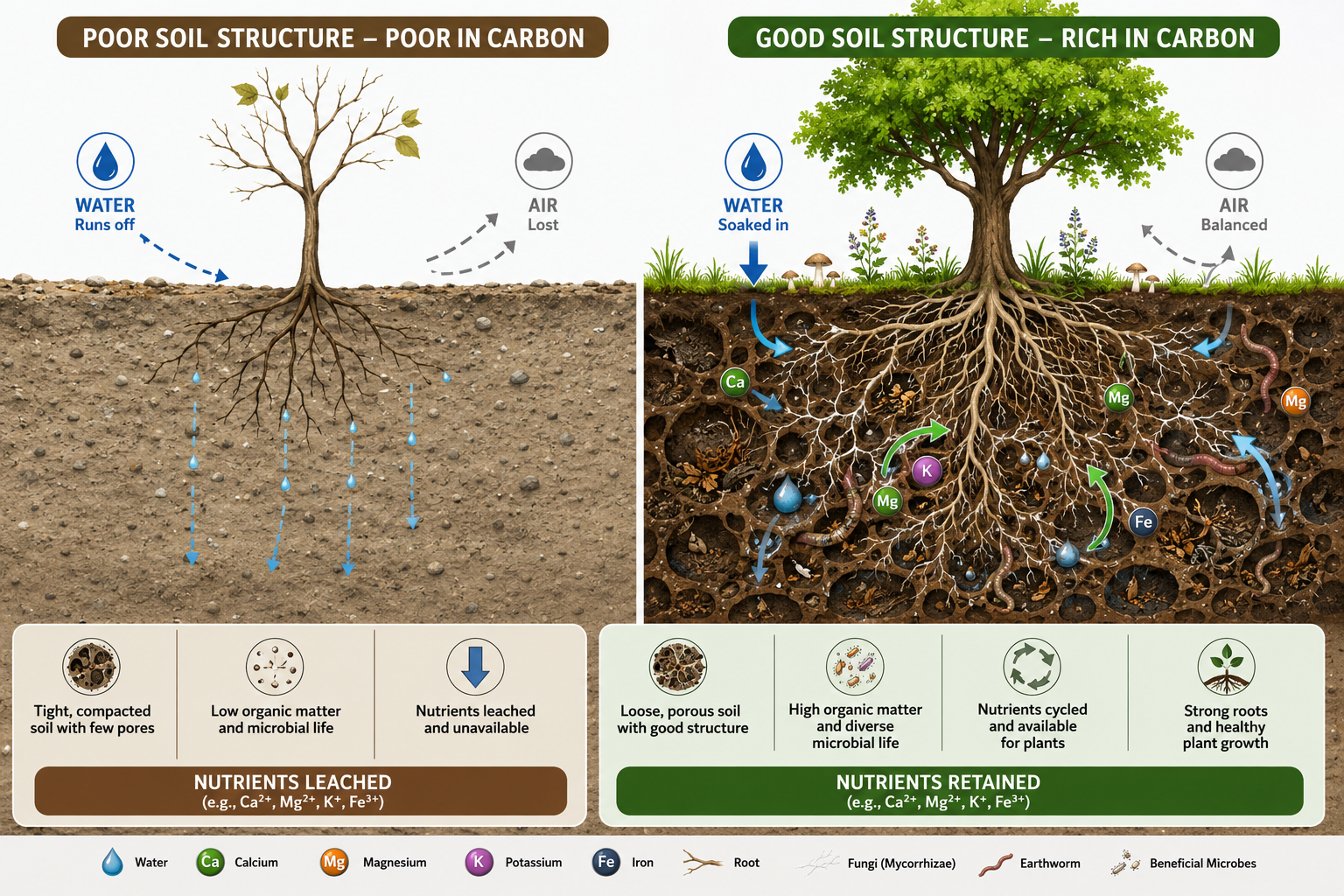
- Improve soil structure and aggregation for better water infiltration, retention, aeration, and erosion resistance.
- Enhance the plant-microbe partnership so roots grow deeper and denser, plants access more water and nutrients, and the whole soil food web strengthens.
Key benefits farmers see with MicrobeBio programs:
- Dramatically increased nutrient uptake and efficiency (higher CEC, chelation of microelements, better availability of N, P, K, Ca, Mg, etc.).
- Stronger root systems and improved plant vigor.
- Higher crop yields and better nutritional quality.
- Enhanced water-holding capacity, especially valuable in sandy or drought-prone soils.
- pH balancing and salinity reduction.
- Natural suppression of certain pests and diseases through competitive beneficial microbes.
- Reduced need for synthetic fertilizers and other inputs over time — supporting true regenerative outcomes.
In short, MicrobeBio doesn’t replace nature’s recipe — it supercharges the biological drivers so the same processes that once took centuries now build fertile, living soil in a fraction of the time.
Regenerative Results, Faster
Whether you’re growing corn in Venezuela, rice in Southeast Asia, vegetables, orchards, or managing large-scale row crops, adding MicrobeBio inoculants plus compatible organic inputs (cover crops, compost, reduced tillage) creates a positive feedback loop:
More beneficial microbes → faster nutrient cycling and humus formation → better soil structure and biology → stronger plants → more root exudates and residues → even more microbial activity → rapid soil building and sustained high yields.
This is the essence of regenerative agriculture made practical and scalable. Farmers report stronger stands, better resilience to stress, and measurable yield increases while improving the long-term capital of their land — the soil itself.
Why MicrobeBio Stands Out
- OMRI-listed, environmentally friendly formulations with no GMOs, growth hormones, or harmful chemicals.
- Broad-spectrum yet targeted consortia selected for real-world performance.
- Compatible with existing programs — use alone or integrate with your current fertility plan.
- Focus on both immediate crop performance and long-term soil regeneration.
The dirt under your feet took nature half a millennium to perfect. With MicrobeBio’s microbial technology, you don’t have to wait that long to start rebuilding it — and reaping the rewards in healthier plants and higher yields.
Ready to accelerate your soil’s potential? Visit microbebio.com to explore Nature Vigor™, Rhizo Activator™, and the full line of life-giving microbial solutions. Contact our team for customized recommendations, trial protocols, or distributor information. Let’s turn centuries of nature’s wisdom into seasons of regenerative abundance.