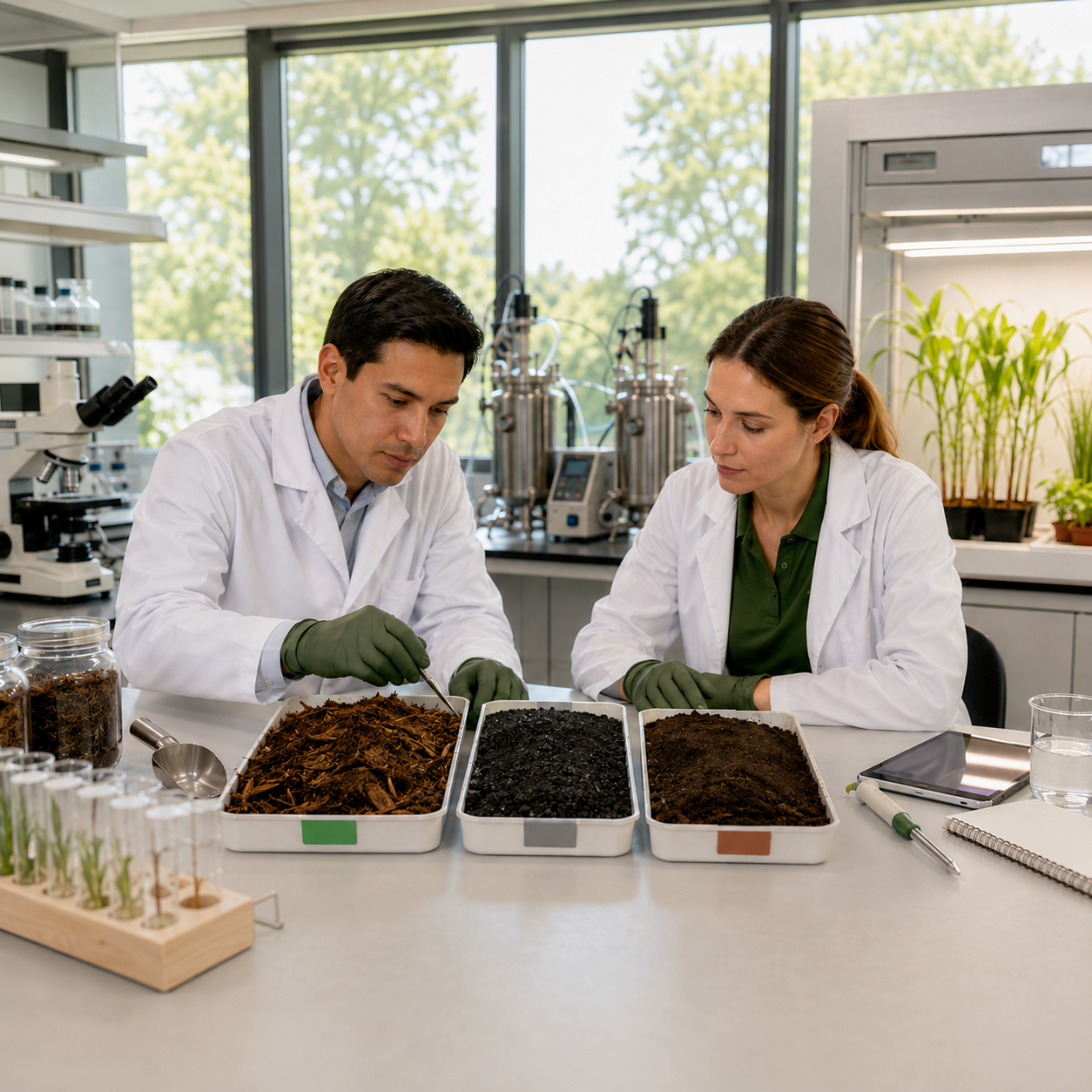
Transforming agricultural waste and organic residues into one of the world’s greatest regenerative opportunities.
Every harvest leaves something behind. As agriculture faces rising input costs, supply risks, and the urgent need to restore soil health, that overlooked resource is becoming a strategic feedstock for a new biological economy—one that reduces dependence on chemical fertilizers while rebuilding the living foundation of productive farming.
The Challenge: Fertilizer Pressure and Underutilized Resources
Modern agriculture faces two converging pressures: the high cost and vulnerability of chemical fertilizer supply, and the continued underutilization of agricultural and organic residues that could help solve both problems.
Global Fertilizer Constraints
Chemical fertilizers—particularly nitrogen, phosphorus, and potassium—remain essential to current production systems, yet they are subject to significant structural risks:
- Price volatility driven by energy costs, geopolitical disruptions, and concentrated global production.
- Supply chain fragility, including dependence on imports and limited domestic manufacturing capacity in many regions.
- Rising production costs that directly pressure farm profitability.
- Environmental externalities, including nutrient runoff, greenhouse gas emissions from production and application, and long-term soil degradation when used without supporting biology.
At the same time, hundreds of millions of tons of agricultural biomass and organic residues are burned, discarded, or left to decompose each year. This represents both an environmental burden and a massive missed opportunity to recover nutrients and rebuild soil function.
The Dual Opportunity
Agricultural and organic waste is not merely a disposal issue. When activated with advanced microbial technology, it becomes a practical pathway to:
- Improve nutrient cycling and availability in the soil
- Reduce reliance on high volumes of synthetic fertilizer
- Lower production costs over time
- Restore soil biology and long-term fertility
World Trends Driving the Shift Away from Heavy Chemical Dependency
Several powerful trends are accelerating the move toward biological solutions that can reduce chemical fertilizer intensity while protecting yields:
1. Persistent Cost and Supply Pressure
Farmers worldwide continue to face elevated and unpredictable fertilizer costs. This economic pressure is making efficiency and biological alternatives increasingly attractive as core risk-management strategies.
2. Soil Degradation from Input-Intensive Systems
Decades of high synthetic fertilizer use without adequate biological support have contributed to declining soil organic matter, reduced microbial diversity, and diminished nutrient-use efficiency in many production systems. Healthy soil biology is now recognized as essential to making fertilizers work better—or to needing less of them.
3. Circular Bioeconomy Momentum
Policy makers, researchers, and industry are advancing circular approaches that recover value from agricultural residues. Turning waste into biologically active soil amendments is emerging as a key strategy for both environmental and economic resilience.
4. Scientific Progress in Microbial Technology
Advances in multi-strain microbial consortia, nutrient solubilization, nitrogen fixation, and root-zone biology are delivering practical tools that improve nutrient efficiency and support reduced synthetic fertilizer rates.
5. Institutional and Policy Support
Governments and international bodies are elevating soil health, regenerative practices, and biological innovation. In the United States, this is most clearly expressed through the USDA’s Regenerative Pilot Program and related efforts to lower farmer production costs while improving long-term soil resilience.
Alignment with the USDA Vision
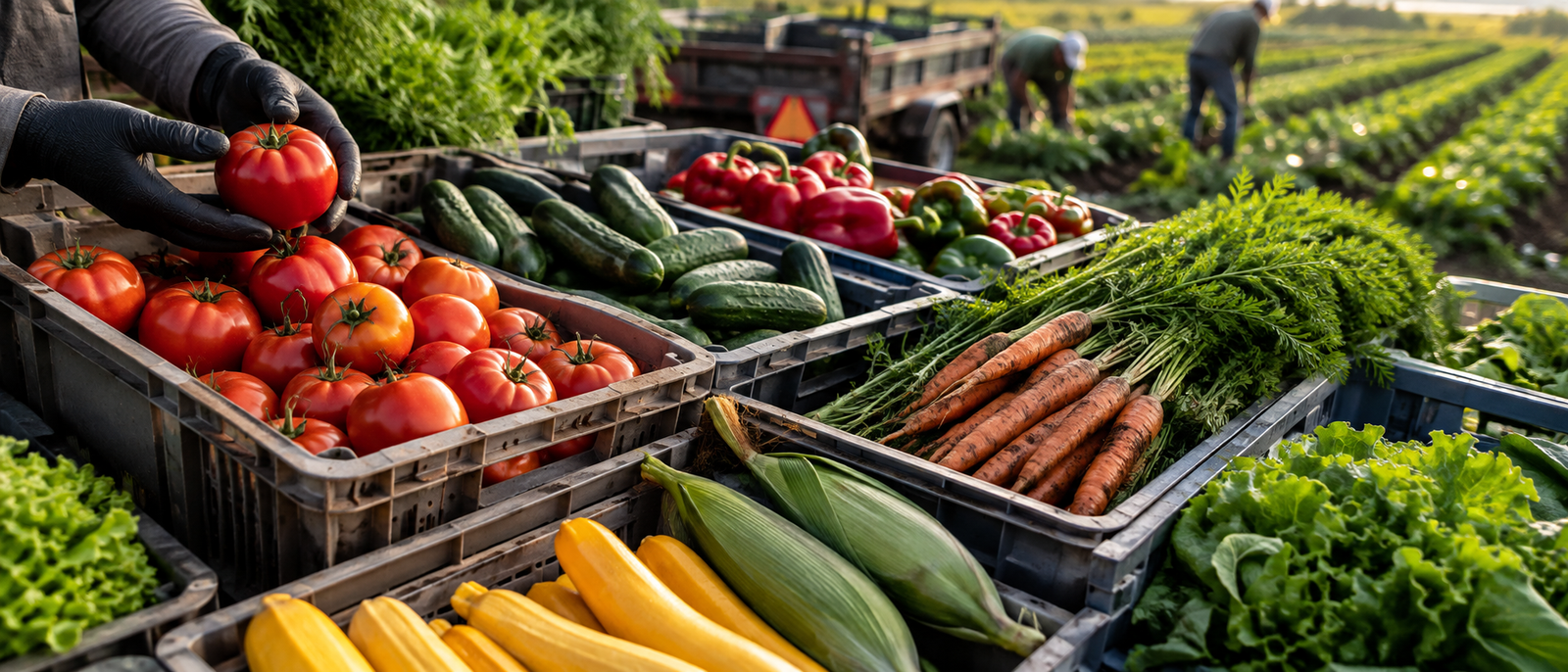
The USDA Regenerative Pilot Program ($700 million through EQIP and CSP) reflects a clear national priority: help American farmers adopt practices that improve soil health, enhance water quality, boost long-term productivity, and reduce production costs.
Central to this vision is the recognition that protecting and improving soil is critical to the future viability of U.S. farmland and the competitiveness of American producers. The program emphasizes streamlined, whole-farm approaches and explicitly supports the transition toward more regenerative systems.
MicrobeBio’s technology platform aligns directly with these goals. By converting agricultural and organic residues into microbial soil enhancers and biofertilizers, we help producers:
- Improve nutrient-use efficiency so existing fertilizer applications deliver more value
- Progressively reduce dependence on high rates of synthetic fertilizers
- Rebuild soil biology, organic matter, and structure
- Lower input costs while supporting stable productivity
- Participate in outcomes-based regenerative planning supported by USDA programs
This approach supports both the economic and environmental objectives of the USDA vision, including the broader Make America Healthy Again emphasis on soil health as a foundation for nutritious food systems.
MicrobeBio’s Proprietary Solution: Biology That Reduces Chemical Dependency
MicrobeBio develops multi-strain microbial technologies designed to turn underutilized organic materials into active soil health products. Our platform is built on three core principles:
- Biodiversity — Broad consortia of carefully selected beneficial microorganisms
- Endospore Stability — Formulations engineered for survival and performance under real field conditions
- Functional Equilibrium — Balanced microbial communities that work synergistically to support nutrient cycling, root development, and soil structure
These technologies enable practical pathways to reduce chemical fertilizer intensity by:
- Enhancing biological nitrogen contributions and nutrient solubilization
- Improving root mass and nutrient uptake efficiency
- Accelerating the conversion of organic residues into plant-available nutrition
- Building soil organic matter and microbial populations that improve long-term fertility
- Supporting more resilient crops under stress conditions
The result is a biological system that helps farmers get more from every unit of nutrient applied—while progressively reducing the need for high volumes of synthetic inputs.
From Waste to Soil Value: A Practical Regenerative Model
01 – Agricultural & Organic Residues
Crop residues, processing byproducts, and organic materials become the feedstock.
02 – Microbial Activation
Proprietary multi-strain consortia drive efficient biological conversion and nutrient mobilization.
03 – Regenerative Products
Stable biofertilizers, soil enhancers, and biostimulants that restore living soil function.
04 – Field Outcomes
Improved nutrient efficiency, stronger root systems, better soil structure, and the potential for reduced synthetic fertilizer rates.
05 – Long-Term Value
Healthier soils, lower input dependency, greater farm resilience, and alignment with national regenerative priorities.
The Strategic Opportunity
Fertilizer shortages, price volatility, and the environmental costs of heavy chemical use are no longer temporary challenges—they are structural features of the current agricultural landscape. At the same time, the science and policy environment has never been more supportive of biological solutions that restore soil while improving efficiency.
MicrobeBio sits at the center of this opportunity. By transforming agricultural and organic waste into high-performance microbial soil products, we offer growers a practical way to reduce chemical fertilizer dependency, lower production costs, and build the living soil systems that will define the next era of productive, resilient agriculture.
Agricultural waste is no longer just a disposal problem.
It is a strategic resource for reducing fertilizer pressure and regenerating soil health.
The soil is the foundation.
Microbial science is the catalyst.
The time to reduce dependency and regenerate is now.